Massachusetts Homeowner Guide

Roof Repair or Roof Replacement? How to Decide

A localized problem may be repairable. Widespread deterioration, recurring leaks, or damage below the surface may make replacement the more dependable investment. Here is how to understand the difference before choosing a scope of work.

By Clough Construction September 23, 2026 9 minute read
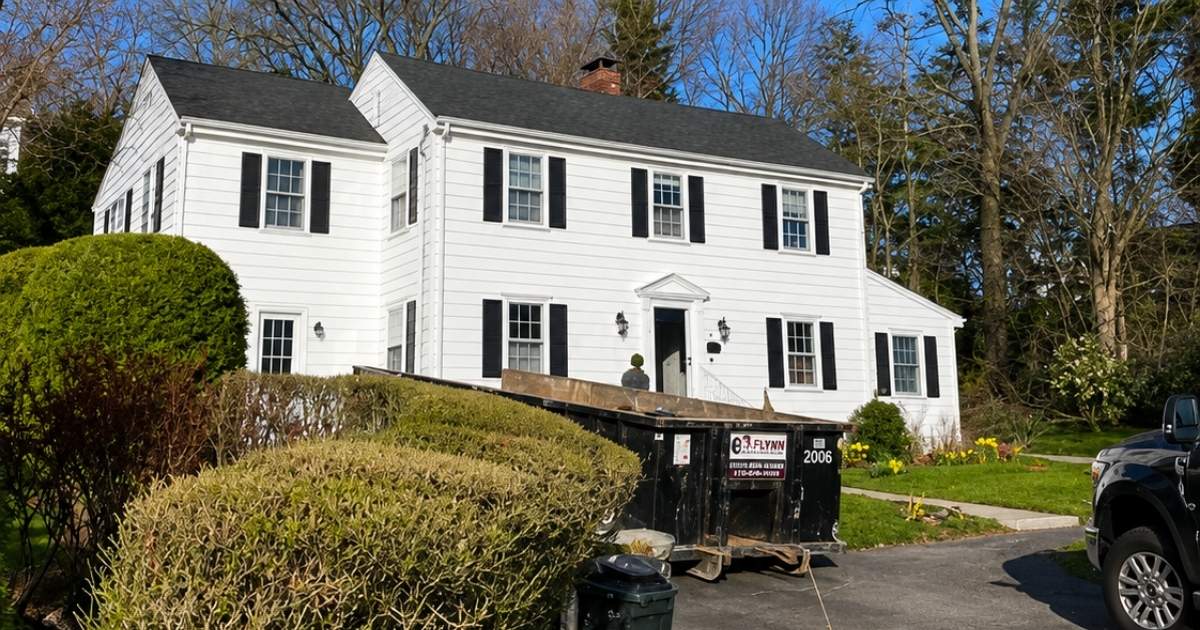
Completed asphalt shingle roof replacement on a white residential home
Repair vs. Replacement
Start with the condition of the whole roofing system—not one symptom.
01
30+ Years

Hands-on roofing experience

02
Owner-Operated

Direct, practical recommendations

03
New England Focus

Greater Boston & North Shore

04
Free Estimates

Clear next steps for your home

The best roofing decision is not automatically the least expensive scope today or the largest scope available. It is the work that correctly addresses the source of the problem and leaves the home reliably protected.

A professional roof repair can be a sensible choice when damage is limited to a specific, repairable area and the surrounding roof remains serviceable. A full roof replacement becomes more likely when wear or water entry is widespread, problems keep returning, or the roof deck and other system components need broader attention.

The Short Answer

Repair is generally a targeted solution. Replacement addresses the roofing system as a whole. Roof age can provide context, but current condition, leak history, underlying materials, and the extent of damage should drive the recommendation.

Look Beyond the Symptom

What a Thorough Roof Assessment Should Examine

The place where water appears indoors is not always the place where it entered the roofing system. A useful assessment looks at the visible symptom, traces likely pathways, and considers how the surrounding components are performing together.

01

Roof Surface

Missing, lifted, cracking, distorted, or heavily worn materials can help show whether deterioration is isolated or widespread. 

02

Flashing and Transitions

Chimneys, walls, valleys, vents, skylights, and roof edges require careful detailing and are common places to investigate when leaks appear. 

03

Attic and Interior Clues

Water stains, damp materials, or ventilation and condensation conditions may provide context that cannot be seen from the exterior alone.

04

Deck and Substrate

Soft, warped, rotted, or otherwise damaged decking changes the scope because unsound material must be addressed before a dependable new covering can be installed.

05

Drainage and Ventilation

Gutters, roof geometry, attic ventilation, insulation context, and moisture movement can all affect long-term roofing performance.

06

Repair History

Repeated work in the same area—or leaks appearing in new areas—can indicate that a broader system discussion is warranted.
Compare the Conditions

When Repair May Work—and When Replacement Deserves a Closer Look

Select an option to compare the patterns a contractor may consider. These are discussion points, not a diagnosis of an unseen roof.

Targeted Scope

Signs the Issue May Be Localized

  • Damage is limited to a small, identifiable area.
  • A flashing or penetration detail is the likely source.
  • The surrounding roof materials remain in serviceable condition.
  • There is no known pattern of recurring leaks across the roof.
  • The roof deck and adjacent components appear sound where evaluated.

A repair should address the cause—not simply cover the visible symptom. Its suitability depends on what an on-site assessment finds.

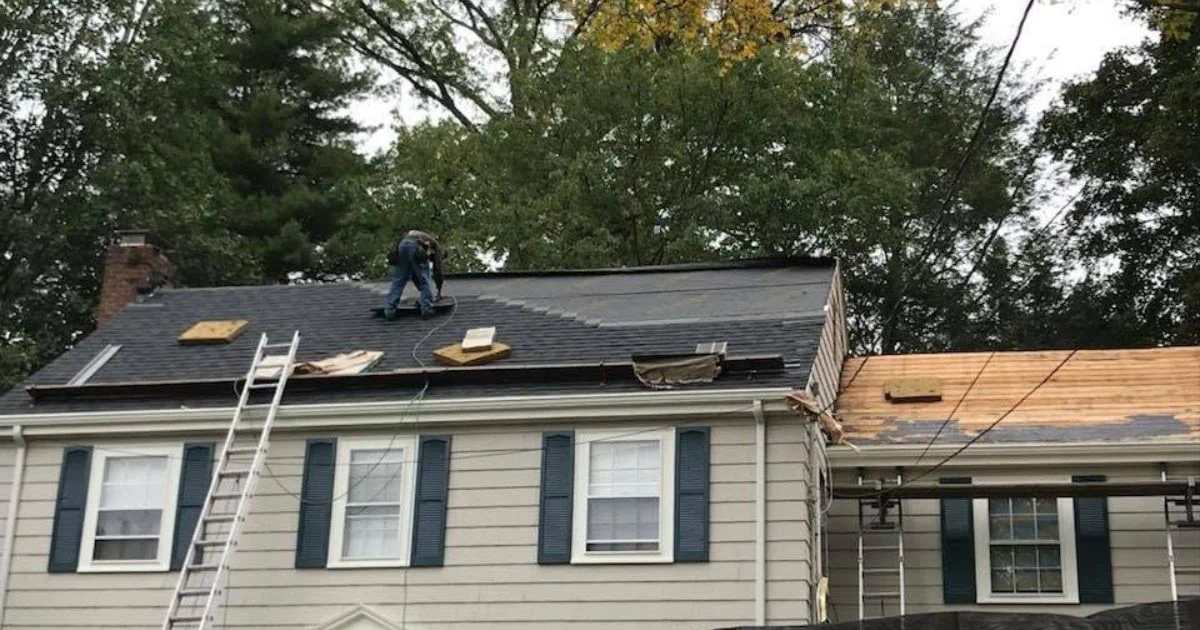
Professional roof inspection before roof replacement in Massachusetts.
Whole-System Scope

Signs a Broader Solution May Be Warranted

  • Wear, cracking, lifting, or distortion appears across large areas.
  • Leaks recur or appear in more than one part of the home.
  • Decking or other underlying components may be deteriorated.
  • Previous repairs are no longer producing dependable performance.
  • Removing the covering is needed to evaluate and rebuild the system correctly.

Replacement creates access to inspect the roof deck and address damaged substrate before the new roofing system is installed.

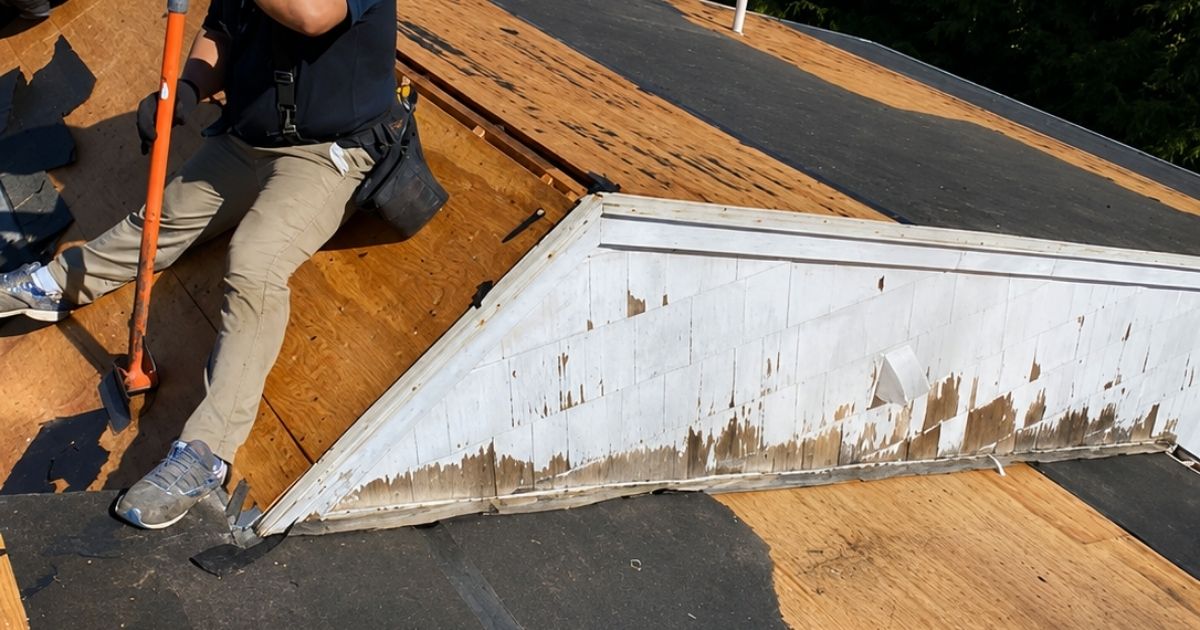
Existing asphalt roofing being removed during residential roof replacement
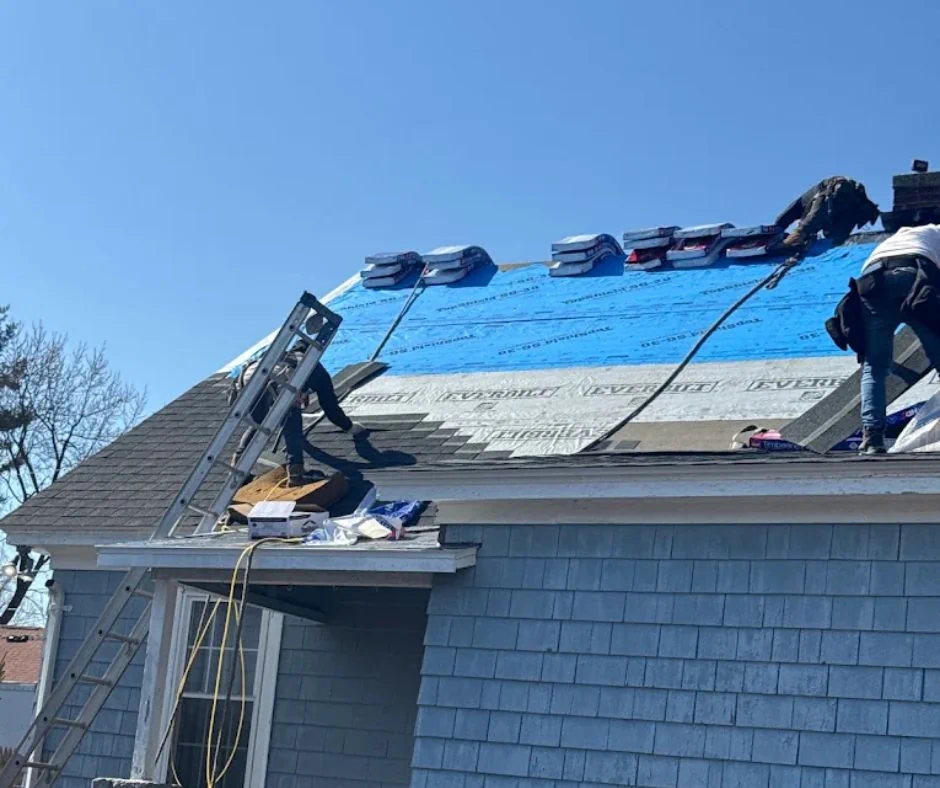
Protective roof underlayment being installed beneath asphalt shingles on a Massachusetts home.
Condition matters more than age alone.
Built for New England

Why Massachusetts Conditions Matter

Roofs in Greater Boston and the North Shore face wind-driven rain, snow, ice, freeze-thaw cycles, summer heat, and moisture. These conditions do not automatically mean a roof needs replacement, but they make the performance of the complete system—including flashing, drainage, ventilation, and underlayment—especially important.

  • Wind & Driven Rain
  • Snow Accumulation
  • Ice-Dam Conditions
  • Freeze-Thaw Cycles
  • Attic Heat & Moisture
  • Seasonal Debris & Drainage
Side-by-Side

Roof Repair vs. Roof Replacement

The right scope depends on the roof in front of you. This comparison shows how the two approaches differ without assuming either is automatically correct.

Decision Factor Repair Replacement
Typical scope Targets a defined source or limited damaged area. Addresses the roof covering and related system components more broadly.
Best fit Localized, repairable conditions with serviceable surrounding materials. Widespread deterioration, repeated failures, or a system that no longer offers dependable protection.
Deck access Usually limited to the repair area. Removal provides broader access to inspect and repair damaged substrate.
Planning question Will this solve the cause and leave the remaining roof reliable? Is broader work the better long-term use of the homeowner’s budget?
Recommendation Ask for the findings, the proposed scope, what is excluded, and why the contractor recommends one approach over the other.

Prepare for the Assessment

Select every pattern you have noticed. The result helps organize the conversation; it does not diagnose the roof.

Select any conditions you have noticed to receive a suggested discussion point.

This educational tool cannot determine whether your roof needs repair or replacement. Roofing conditions must be evaluated on site by a qualified professional.