Waterfront EPDM Rubber Roof Installation
A residential low-slope roof installation using an EPDM rubber roofing system designed to provide durable, weather-resistant protection in a waterfront setting.
02
EPDM Roofing Project
Massachusetts
Residential Low-Slope Roofing
Residential EPDM Roofing for a Low-Slope Roof
This waterfront property required a roofing system suited to a broad, low-slope roof surface where traditional asphalt shingles would not be appropriate. The project involved preparing the roof surface and installing an EPDM rubber membrane system across the roof, with careful attention to penetrations, seams, transitions, and perimeter details.
EPDM Rubber Roof Installation
Installing a dependable EPDM roofing system involves more than placing a membrane over the roof. The surface, penetrations, seams, transitions, and perimeter conditions must work together as one low-slope roofing system.
Roof Surface Preparation
The low-slope roof surface was prepared to provide a stable foundation for the new EPDM roofing system.
EPDM Membrane Installation
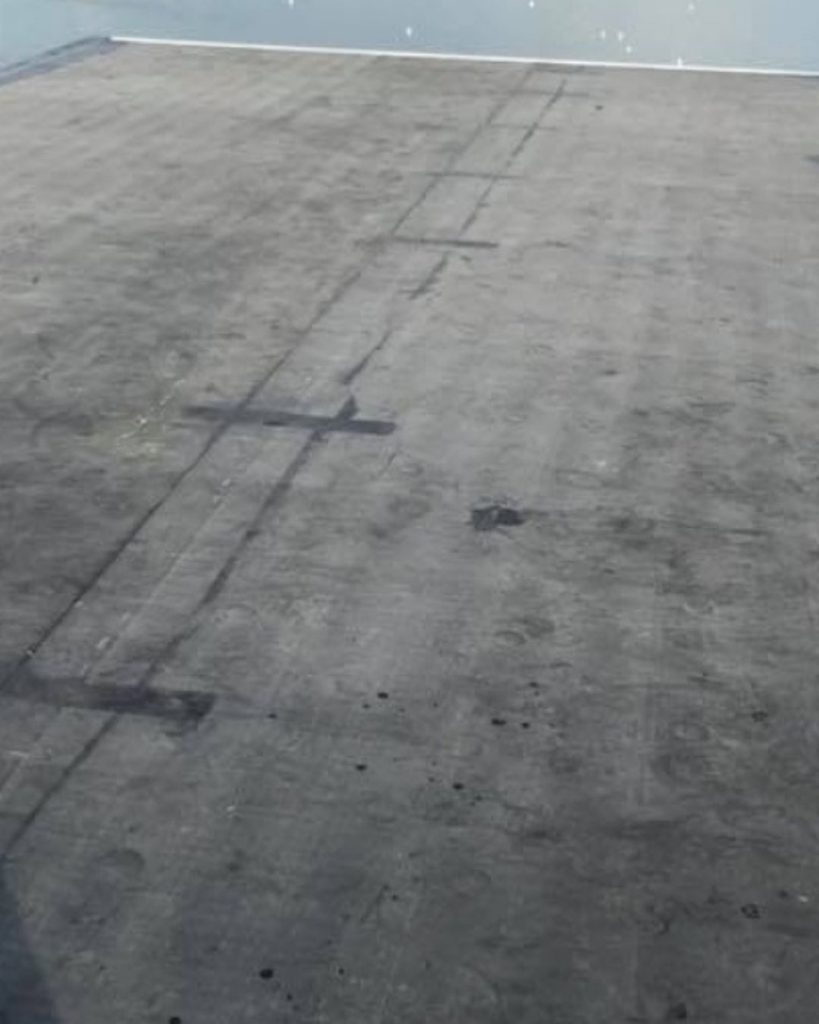
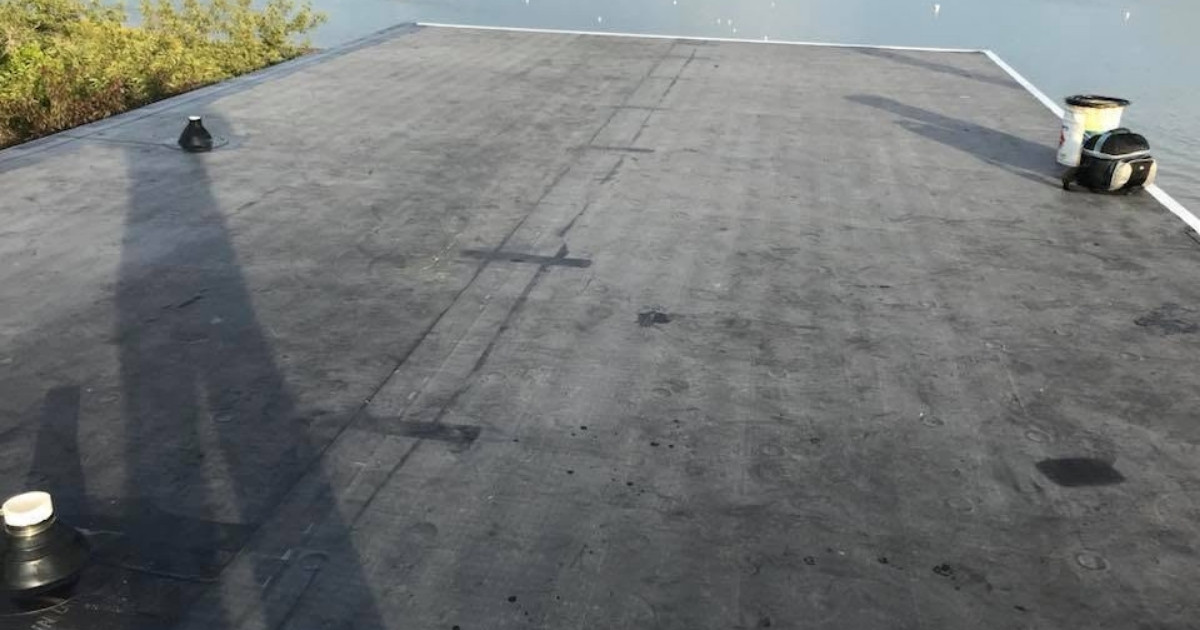
EPDM rubber membrane was positioned and installed across the prepared roof to create continuous coverage over the low-slope surface.
Roof Penetration Detailing
The membrane system was detailed around visible roof penetrations to integrate these areas into the surrounding roofing system.
Seams and Perimeter Details
Membrane seams, transitions, and perimeter areas were addressed as part of the overall EPDM installation.
From Roof Preparation to EPDM Installation
Select a stage to follow the project from preparation of the low-slope roof surface through installation of the EPDM membrane and completion of the continuous roofing system.
Establishing a Stable Surface for EPDM
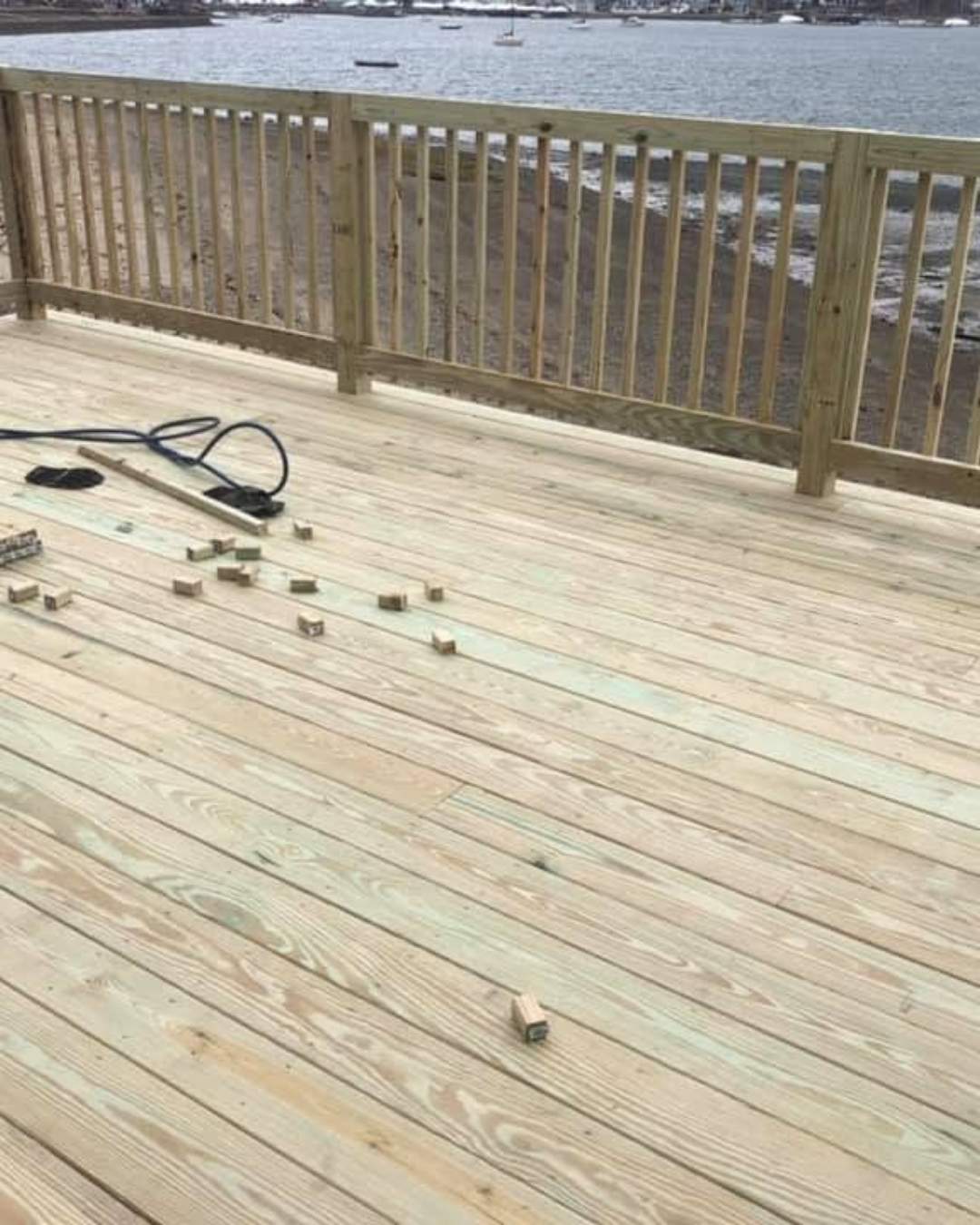
Before the rubber membrane was installed, the underlying roof area was prepared to create a stable, consistent surface for the new roofing system. The mechanically fastened substrate formed the foundation for the EPDM installation above.
Installing the Rubber Roofing Membrane
Once the roof surface was prepared, the EPDM membrane was positioned and rolled out across the low-slope roof. The crew worked across the surface in sections while accounting for roof penetrations, transitions, seams, and perimeter conditions.
Continuous Coverage Across the Low-Slope Roof
The installed EPDM membrane creates a broad, continuous roofing surface across the low-slope structure. Penetrations, adjoining surfaces, seams, transitions, and roof edges were incorporated into the completed roofing system.
A Continuous Roofing System for a Low-Slope Roof
Once installed, the EPDM membrane creates a broad, continuous roofing surface across the low-slope structure. Careful detailing where the membrane meets penetrations, adjoining surfaces, seams, and roof edges helps these individual components function together as part of the overall roofing system.
Continuous Membrane Coverage
EPDM provides broad membrane coverage across low-slope roof surfaces without the individual pieces found in shingle systems.
Roof Penetration Details
Visible pipes and other roof penetrations are incorporated into the membrane system through dedicated transition detailing.
Low-Slope Roof Application
EPDM is well suited to flat and low-slope areas where conventional asphalt shingles are not the appropriate roofing solution.
Experience Matters on Low-Slope Roofing
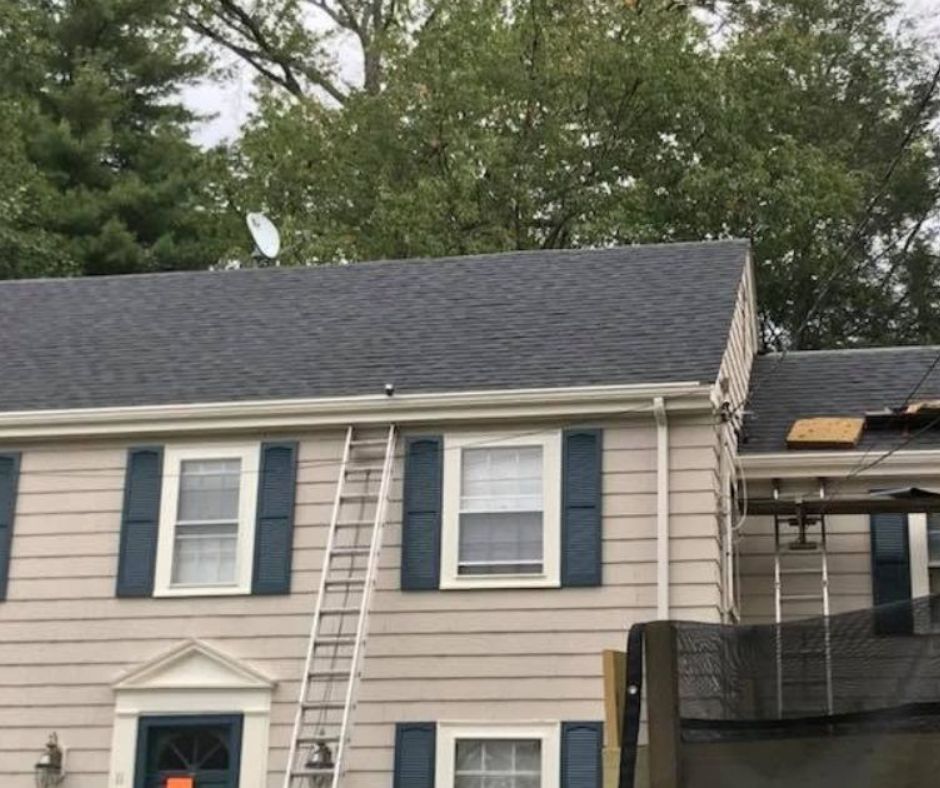
With more than 30 years of roofing experience, Robert “Bobby” Clough brings hands-on knowledge to residential roofing projects throughout the North Shore and Greater Boston. From traditional asphalt shingles to EPDM and specialty roofing systems, each project starts with evaluating the roof and determining the right approach for the home.
More Work From Clough Construction
EPDM Rubber Roofing FAQs
Learn more about EPDM rubber roofing, where it works best, and what homeowners should know about residential flat and low-slope roof systems.
EPDM is a synthetic rubber roofing membrane commonly used on flat and low-slope roofs. It creates a continuous roofing surface and is designed for long-term exterior exposure.
Yes. EPDM can be an effective residential roofing solution for flat and low-slope areas where traditional asphalt shingles are not appropriate. The roof’s construction, slope, drainage, and existing conditions should be evaluated before selecting the roofing system.
The service life of an EPDM roof depends on the membrane, installation quality, roof conditions, maintenance, drainage, and environmental exposure. A properly installed and maintained EPDM system can provide dependable long-term performance.
Yes. Roof penetrations are incorporated into an EPDM system using appropriate detailing where pipes and other components pass through the membrane. These transitions are important parts of the overall installation.
The roof’s slope, existing construction, drainage, condition, penetrations, and other property-specific factors should be evaluated before choosing a roofing system. Clough Construction can inspect the roof and recommend an appropriate solution.
Some EPDM roofing problems may be addressed through targeted roof repair, while widespread deterioration or system-level problems may require a more extensive solution. The roof should be inspected before deciding between repair and replacement.
Need EPDM or Low-Slope Roofing?
If your home has a flat or low-slope roof, Clough Construction can evaluate the existing conditions and help determine the right roofing solution for dependable, long-term protection.
Tell Us About Your EPDM Roofing Project
Complete the form and a member of the team will follow up with you.